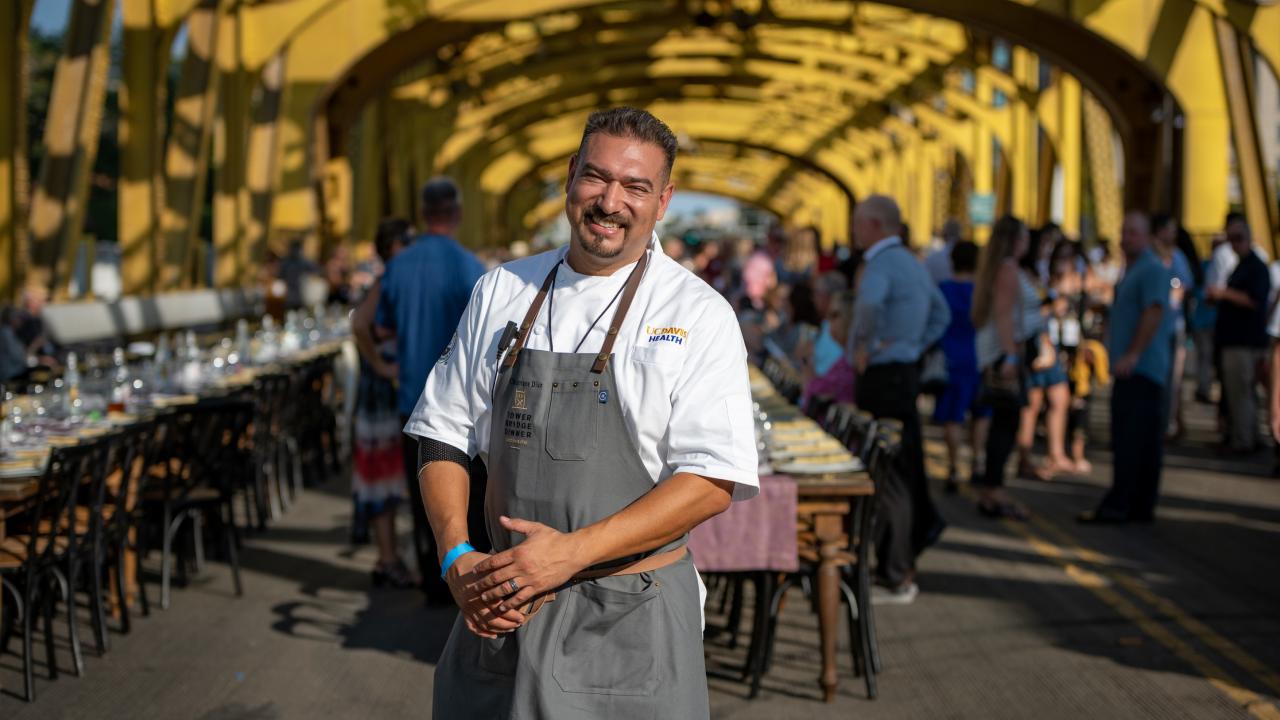
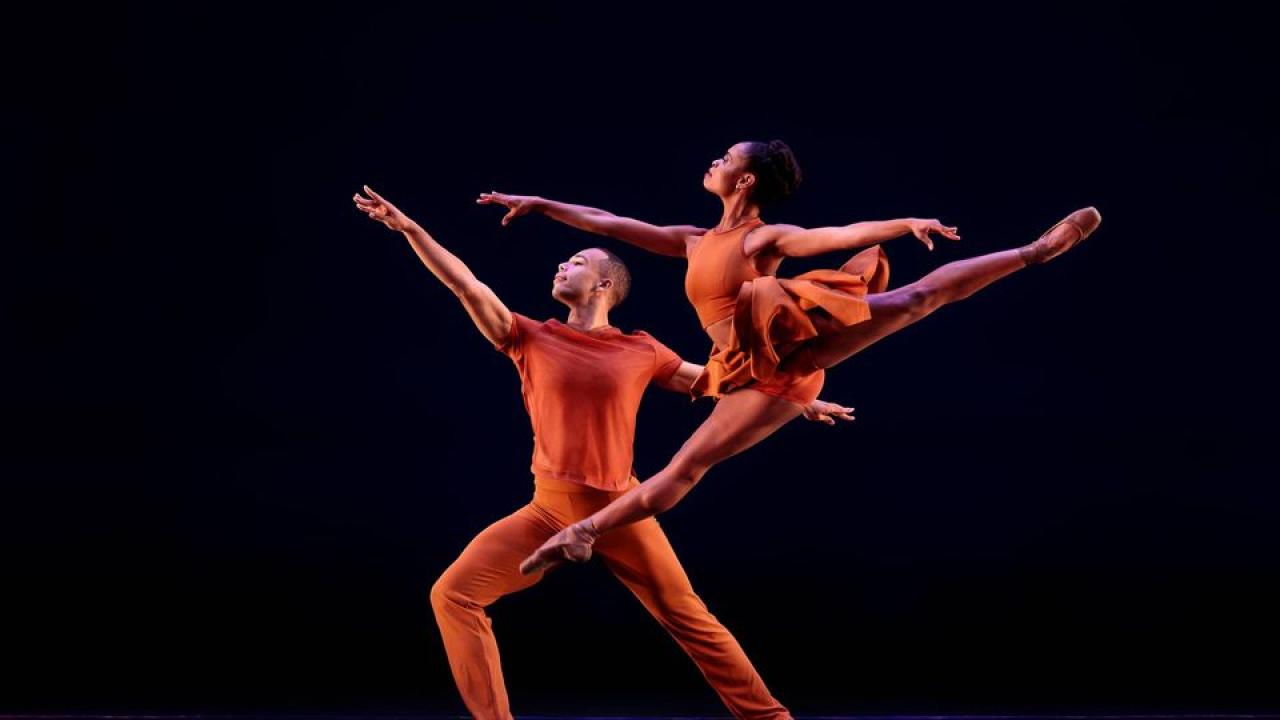
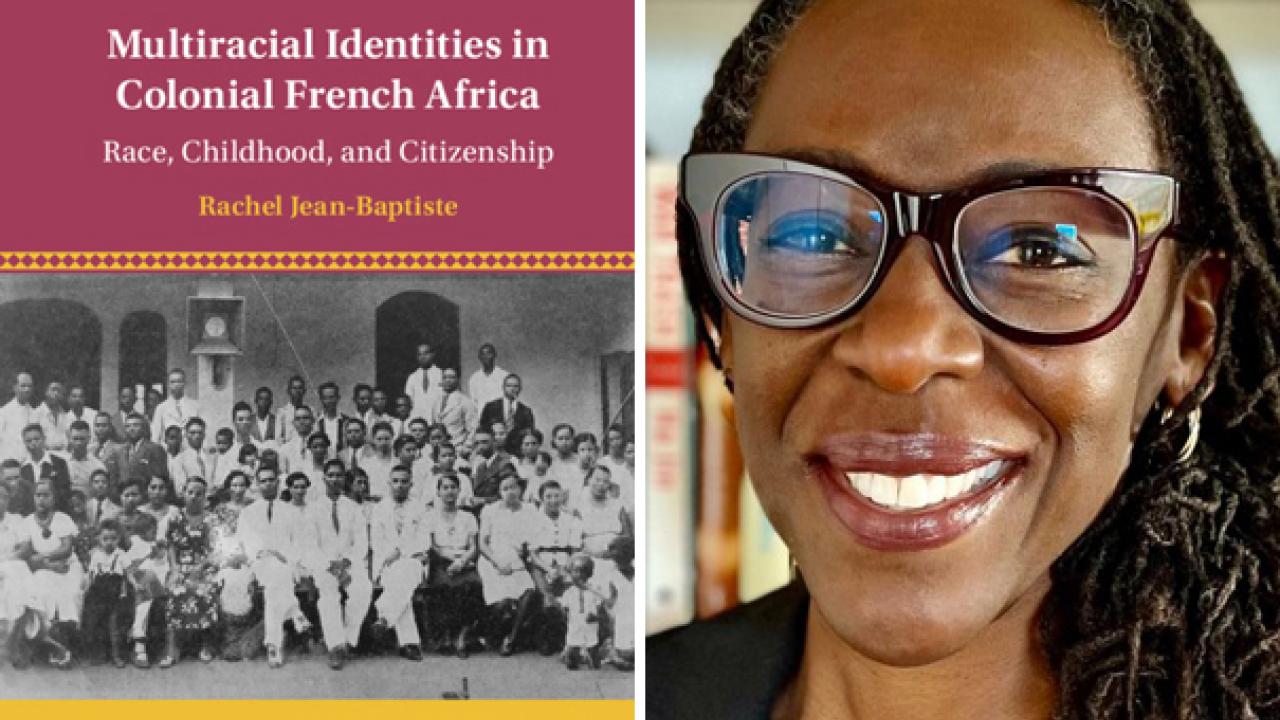
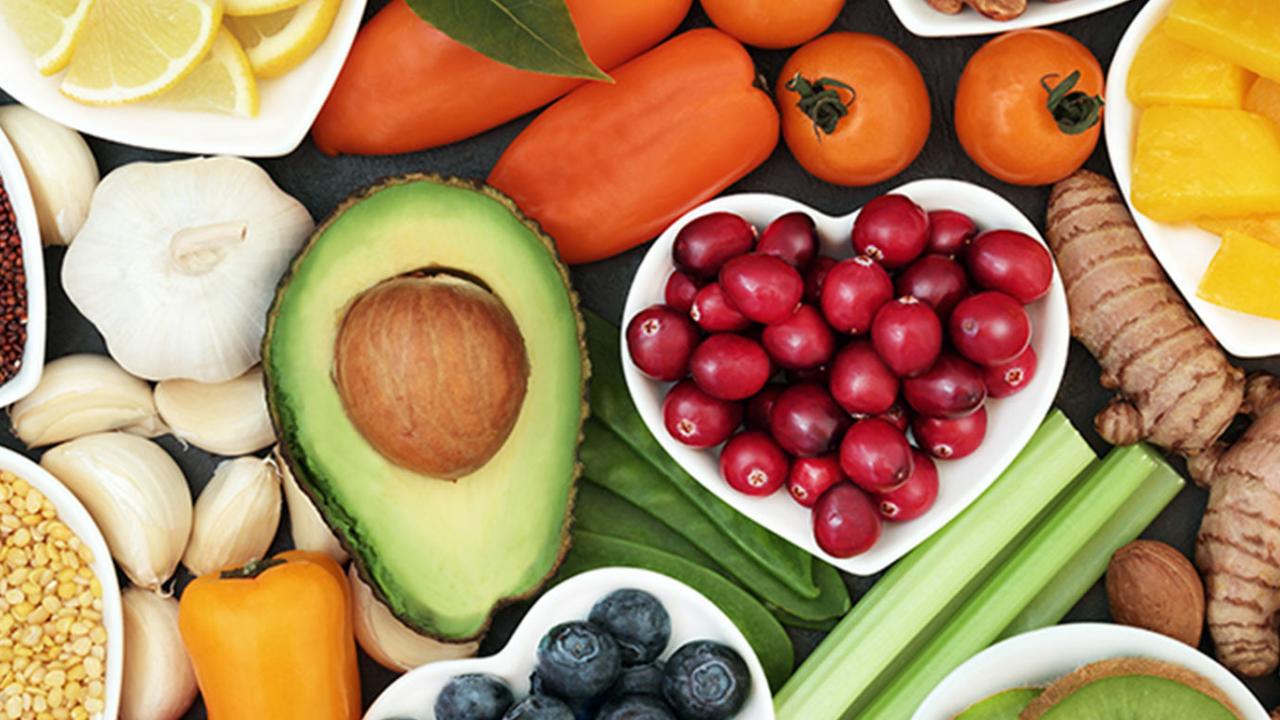
Blogs Breadcrumb UC Davis News Blogs What can I do with my major? Political Science or Political Science — Public Service by Ryleigh J. Praker How Do I Apply to Law School? What You Need To Know About Law School How do I get into UC Davis? Eventful decisions by Isabella Beristain A is for Aid: Your starter guide to college finances Expert Tips: How to Write a PIQ What can I do about climate change? 7 Inspiring Climate Change Solutions by Kat Kerlin Climate Poetry in Wooly Motion Capturing Carbon From Power Plants and the Atmosphere The Curiosity Gap How Do We Correct The Flawed Lens on Muslim Women in U.S. Media? by Alex Russell The Conversation: What Can Cities Do to Correct Racism and Help All Communities Live Longer? Delaying Gratification: How Do Children React to Waiting in Different Cultures? Savoring Science Chef Santana Diaz: Bridging Good Health and Fine Flavors by Chris Macias What’s a GMO Dinner? Welcome to Savoring Science UC Davis Arts blog Weekender: A Capella Showcase, Concerts, and Dance Performances by Jamie Gelfond, UC Davis Media Relations Intern Weekender: Concerts; Laramie Project on Stage; Gorman Exhibit Closes Mondavi Season Starting, Gorman Museum Grand Opening Preview UC Davis Books blog June Book Talk: ‘Multiracial Identities in Colonial French Africa’ by Dateline Staff May Book Talks: ‘Geology and Landscapes’ and ‘Queering Mesoamerican Diasporas’ Musical Update, Including Awards Egghead Blog What’s In Our Food? by Andy Fell Protein Integral to Sperm Development and Male Fertility Identified Geerat Vermeij Discusses New Book: The Evolution of Power: A New Understanding of the History of Life DEI: Documenting the journey Why We Are Documenting the Journey by Dana Topousis Language Choice Should Not Be Unnecessarily Exclusionary How to (Not) Apologize See all blog posts